
Everyday Gut Health Tips for a Happier Digestive System
Highlights
- A varied diet, enough fluid, regular movement, and a manageable routine support everyday digestive health.
- Increase fiber gradually. A sudden jump can bring more gas and discomfort than you bargained for.
- Fermented foods, probiotics, and prebiotics are related ideas, but they are not interchangeable.
- Pay attention to persistent symptoms instead of continually adding supplements or removing more foods.
Caring for your gut can sound like an ambitious shopping assignment. There are special powders, probiotic drinks, fermented foods with impressive price tags, and enough new vocabulary to fill a notebook. Fortunately, a useful routine can begin with food you already enjoy and habits that fit an ordinary day.
The aim is comfortable digestion, dependable nutrition, and bowel habits that work well for you. You do not need to chase a perfectly flat stomach after every meal or turn every snack into a nutrition project.
Small, repeatable choices usually offer a more practical place to start than a cupboard full of new products.
The short version
Know What Comfortable Digestion Looks Like
Your digestive system breaks down food, absorbs nutrients, and moves waste out of the body. The gut microbiome is the community of microorganisms living in your digestive tract. These microbes contribute to digestion, but they are only part of the picture. Muscles, nerves, digestive fluids, and the foods you eat all have a role.
Some gas and changes in fullness are normal. Bowel habits also vary between people. More useful questions are whether stools are comfortable to pass, whether a change persists, and whether symptoms interfere with eating, sleep, or daily activities.
Try to notice patterns without treating every sensation as a warning. A single uncomfortable afternoon does not identify a damaged microbiome or a food intolerance. Looking at repeated experiences gives you better information than judging your digestive health by how your stomach feels after one unusually large meal.
Add Fiber Without the Overnight Overhaul
Fiber is found in plant foods, including beans, lentils, whole grains, fruit, vegetables, nuts, and seeds. Different fibers behave differently. Some help stool hold water, some add bulk, and some can be used by microbes in the large intestine.
That variety is useful, but the pace of change matters. Going from little fiber to a large bean salad, bran cereal, and several added-fiber products in one day can produce plenty of gas. Your digestive system may be happier with a gradual increase.
Begin with a manageable addition, such as oats at breakfast or a small serving of beans with lunch. Give yourself time to see how it feels before adding more. If a particular food causes discomfort, a smaller portion or a different fiber source may work better.
- Add one thing. Pick a single fiber source and put it in the same meal every day, so you can tell what is doing what.
- Hold for a week. Give your digestion time to settle into the change before you judge it.
- Drink alongside it. Fiber works best with enough fluid, so keep water near the meals you have changed.
- Then add the next one. Repeat with a different fiber source. Variety is the goal, and slow is what makes it comfortable.
Build Variety From Familiar Foods
A varied selection of plant foods provides a mix of fibers and nutrients. That does not require a new recipe every night or a collection of ingredients you cannot pronounce. A few changes to familiar meals can broaden the range quite easily.
Add peas to rice, mix a different bean into a soup, or keep a second kind of fruit available for snacks. Frozen vegetables, canned beans, and ordinary oats can all contribute. Convenience foods can support good nutrition; the word processed alone does not tell you whether a food belongs in your routine.
Choose additions you enjoy and can afford. A bag of frozen berries that gets used is more helpful than an ambitious produce purchase that spends the week waiting for inspiration. Variety works best when it grows from your real meals, not from a shopping list that needs its own weekend plan.
Understand What Prebiotics Do
Prebiotics are substances that certain beneficial microorganisms can use in ways that support health. Many are types of dietary fiber, although not every fiber is a prebiotic. Foods such as onions, garlic, beans, and some whole grains contain relevant compounds.
You do not need to take a probiotic supplement for prebiotic foods to have a role. They can feed microbes that are already present in your gut. Including varied fiber sources is a practical way to make room for them without adding another product to the cupboard.
Concentrated prebiotic ingredients, such as inulin or chicory root fiber, also appear in bars, drinks, and supplements. Large amounts can be uncomfortable for some people. If symptoms begin after several new high-fiber products enter your routine, check the ingredient lists and serving sizes before assuming an entire food group is the problem.
Enjoy Fermented Foods for What They Offer
Fermentation uses microorganisms to change a food's components, flavor, or texture. Yogurt, kefir, kimchi, and sauerkraut are familiar examples. They can add enjoyable variety, but being fermented does not automatically make a food a proven probiotic product.
Some fermented foods contain live microorganisms when eaten; others have been heated or processed in ways that remove them. Even when live cultures are present, a specific health benefit depends on more than their mere presence. Check the label if live cultures are what you are looking for.
Try a small portion alongside a meal rather than turning a new fermented food into the main event. A little sauerkraut on a sandwich or yogurt with breakfast may be an easy fit. Consider the rest of the product as well, including salt, added sugar, and whether its ingredients agree with you.
Give Probiotic Supplements a Specific Purpose
Probiotics are live microorganisms that can provide a health benefit when used in an appropriate amount. Their effects depend on the particular strain, the amount, and the situation in which they are used. One product's benefit cannot automatically be applied to another.
A high number of organisms on the package is not enough to identify the best choice. Nor does a long list of strains guarantee a better result. If you are considering a supplement, look for a clearly defined purpose and information about the exact organisms it contains.
For a generally healthy person without a specific need, a daily probiotic is not an essential part of gut care. People who are seriously ill or have weakened immune systems need individual medical guidance before using one. Keep the focus on a useful role rather than the idea that every digestive sensation requires more bacteria.
Drink Enough Without Forcing a Fixed Target
Fluids help support normal digestion and help fiber keep stools softer and easier to pass. Water is a convenient everyday choice, but other drinks and water-containing foods contribute to fluid intake as well.
There is no single glass count that perfectly fits every adult. Needs change with body size, activity, weather, and health. If you have been given a fluid restriction for a medical condition, that guidance takes priority over general hydration advice.
Make drinking convenient: keep water near meals, take a bottle on outings, and remember fluids when the day becomes busy. If fizzy drinks leave you uncomfortable, try still water and compare how you feel. Drinking more than you need is not a special digestive treatment, and you do not have to spend the afternoon catching up with an oversized bottle.
Make Meals Less Rushed
Eating quickly, chewing gum, and drinking fizzy beverages can increase swallowed air and contribute to gas symptoms. Sitting down and giving a meal some attention may help, especially if eating usually happens between tasks.
If one meal a day is all you can slow down, make it the one you usually eat standing up. That is where the easiest gain tends to be.
Take comfortable bites and chew well enough to swallow easily. There is no required number of chews to count. Try setting aside the phone for part of a meal or pausing between bites, then notice whether the pace feels better.
Portion size may matter, too. If very large meals regularly leave you uncomfortable, distributing food more evenly through the day can be worth trying. You still need enough food overall. The point is to find a comfortable pattern, not to make meals so small that you spend the rest of the day hungry.
Make Room for Movement and Bathroom Time
Regular physical activity can help with constipation and supports overall health. Walking is an accessible option for many people, and the best routine is one that suits your abilities and can be repeated. A short walk after a meal can be a pleasant way to add movement without needing a separate workout appointment.
Give bathroom habits some room in the day as well. Eating can stimulate movement in the colon, so allowing unhurried time after breakfast may be helpful. Respond to the urge to go when possible rather than repeatedly putting it off.
Avoid prolonged straining. Comfort and a workable routine are better goals than forcing a bowel movement at an exact time. Travel, changed meal times, and busy mornings can disrupt familiar habits; restoring some ordinary structure may help you see what your body needs.
Look After the Gut-Brain Connection
The gut and brain communicate in both directions through nerves and other signals. Stress can affect digestive sensations and function, while ongoing digestive symptoms can add to stress. That connection does not make discomfort imaginary or mean you caused it by worrying.
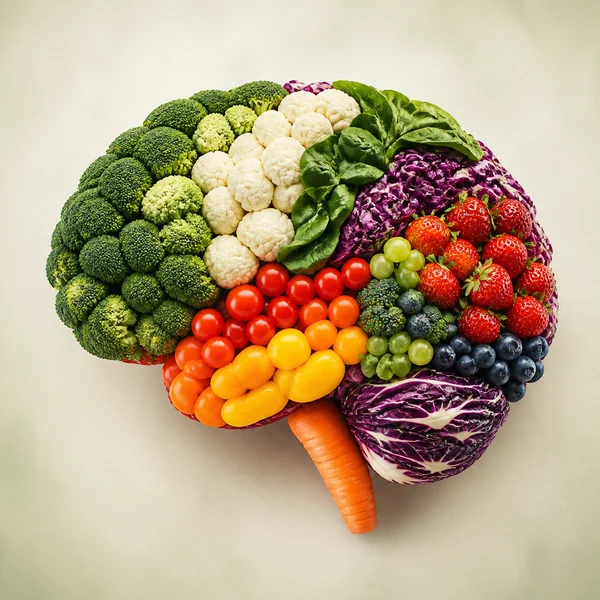
A few calm minutes before a meal, gentle movement, or slow breathing may help make the day more manageable. Choose something realistic rather than another complicated routine to perform perfectly. These habits can complement appropriate care for persistent symptoms, but they do not explain every digestive problem.
Protect sleep in similarly practical ways. A reasonably consistent schedule, a quieter wind-down period, and less late caffeine can support rest. Better sleep is worthwhile for everyday well-being without needing a promise that it will reset your gut bacteria overnight. Aim for a routine that leaves room for recovery as well as activity.
Rest, movement and unhurried meals are gut habits too. They just do not come in a bottle.
Worth remembering
Notice Patterns Before Removing More Foods
A short record of meals, symptoms, stress, and bowel habits can reveal useful connections. Keep it simple enough to maintain. Note portions and timing as well as the food itself; a large serving can feel different from a small one.
Avoid removing several food groups at once without a clear reason. A low-FODMAP diet temporarily limits certain fermentable carbohydrates that can trigger symptoms. It can help some people with irritable bowel syndrome, but it is a structured trial with reintroduction and professional support, not a general rule for everyone. Persistent symptoms deserve assessment rather than an ever-shrinking menu.
Seek prompt medical care for blood in the stool, severe or persistent abdominal pain, unexplained weight loss, or repeated vomiting. Severe pain with an inability to pass stool or gas needs urgent attention. These signs call for evaluation, not another fiber experiment.
Choose a Starting Point You Will Actually Use
Pick one manageable change and let it settle into your routine. You might add oats to breakfast, take a regular walk, make time for the bathroom, or keep a familiar source of fluid nearby. There is no need to begin everything on the same morning.
Keep a few easy meals available so the plan survives busy days. Each of these puts useful ingredients on the plate without an elaborate preparation session. Adapt portions and choices to what agrees with you.
Easy meals worth keeping on hand
- Oats with fruit and a spoonful of seeds
- Lentil or bean soup from the cupboard
- A vegetable omelet with whatever is in the fridge
- Yogurt with frozen berries
- A baked potato filled with beans
- Rice with peas and a tin of fish
Over time, build on the habits that make eating and digestion more comfortable. Enjoyable food, gradual changes, and attention to persistent symptoms provide a useful direction. Your digestive routine can become part of everyday life without becoming the main thing you think about all day.